What happened
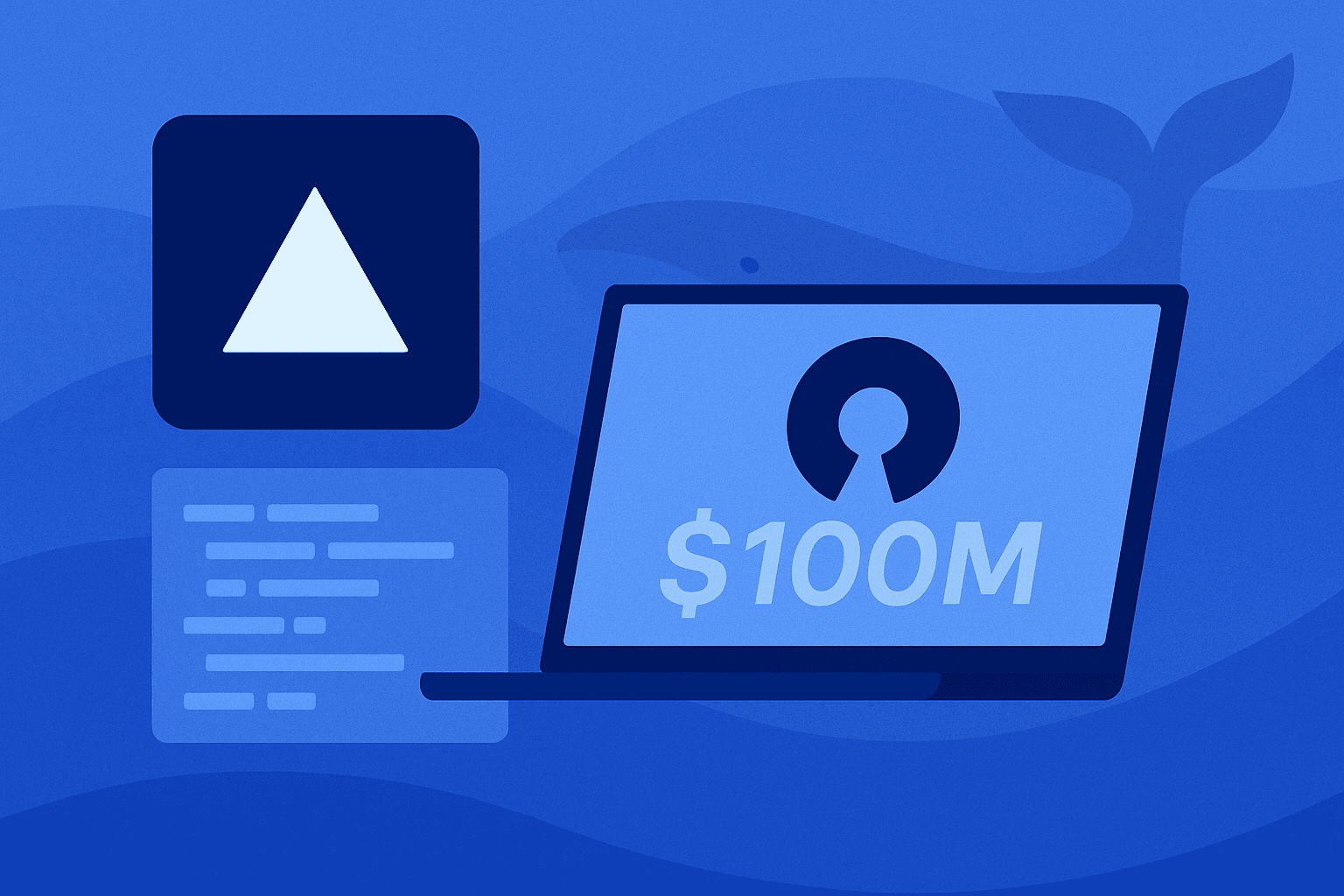
Vercel has expanded its AI Gateway offering by adding support for Google's Gemini 2.5 Flash and Gemini 2.5 Flash-Lite models, giving developers direct access to two of Google's most cost-efficient, low-latency language models through a single unified endpoint. Separately, GitHub announced that its community-driven funding programs have collectively distributed $100 million to open source maintainers and contributors worldwide. The GitHub milestone reflects cumulative contributions channeled through its Sponsors and related funding mechanisms since the programs launched.
Why it matters for your business
For engineering teams already operating within Vercel's ecosystem, the Gemini Flash additions reduce the friction of integrating high-throughput, cost-conscious AI inference into production applications — no separate API contracts or credential management required. The Flash-Lite tier in particular targets latency-sensitive workloads where response speed outweighs raw capability, making it relevant for customer-facing features like autocomplete, summarization, and triage. On the open source side, GitHub's $100 million figure signals that the sustainability economics of foundational software are shifting: maintainers of libraries that enterprises depend on daily are receiving more structured financial support, which reduces long-term risk for businesses built on open source stacks. Teams should audit which critical dependencies they rely on and consider whether direct sponsorship aligns with their vendor risk strategy.
What to watch next
Vercel is likely to continue expanding AI Gateway's model roster as competition among inference aggregators intensifies, making provider-agnostic routing a growing architectural default rather than a niche optimization. On the funding side, watch whether GitHub's momentum encourages rival platforms to introduce comparable maintainer compensation programs, which could reshape how enterprises factor open source health into procurement decisions. A broader policy conversation around mandated corporate contributions to critical open source infrastructure — already active in the EU — may accelerate if community-funded models demonstrate measurable security and reliability improvements.